
|
|
Welcome! Please enjoy our "gang's" explorations of the many ghost and semi-ghost towns of Colorado and northern New Mexico.
To contact Audra or Lee:
amchugh@allhell.com
Hi! We are a group of friends who are very different in our everyday lives (one of us is an advertising account manager, one is a computer programmer for an insurance company, one is a massage therapist and Reiki practitioner, and one is a lawyer who wishes he was a full-time rock climber!) but who have a love of history and of the abandoned towns of the West in common.
These are some of the towns we've visited. The page is under construction as of Fall, 2003, so you may find a few broken links! This is the first web page I've done in years, so be patient with me. :-)
And if you've come here looking for the "Oooh Spooky!" kind of ghosts, try here instead!
"Keota" is an Indian word meaning "Gone to visit" or "The fire goes out". It was a station stop on the 'Old Prairie Dog Express" on the Colorado-Wyoming Division of the Burlington-Missouri Railroad. Keota was established as a homestead in 1880 by two sisters, Mary and Eva Beardsley and sold to the Lincoln Land and Cattle Co. in 1888. The railroad (used mainly for cattle shipping) was abandoned and the trackage removed in 1975. Keota lost its incorporated status in 1990. The last operating post office closed in 1890. The school foundation is still there and was established in 1888 and closed in sometime in the 1930's. The old grocery & general store and the post office still stand along with a few other abandoned buildings. The old water tower is still standing. A few other foundations are scattered around.
Head east off I-25 at Ft. Collins exit and Highway 14 approximately 50 miles past the town of Briggsdale to County Road 103, north 5 miles. Keota lies in the center of the Pawnee National Grasslands which covers thousands of acres of public land. Keota is not the traditional 'ghost town' one thinks of in Colorado because it is not in the mountains. However, it played a big part in the settling of the state and was a center for the vast cattle industry and later agriculture. The best times to visit are spring and fall - summer and winter can be very hot and cold respectively. You get a great feel for what it was like to be a pioneer on the Great American Desert. The prairie blooms in the spring and is truly beautiful. There aren't any facilities within 15-20 miles, so make sure your gas tanks are full when you leave Briggsdale. A trip to the cemetery is worthwhile - it's 1.6 miles out of town on the main street heading east.
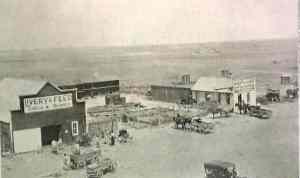

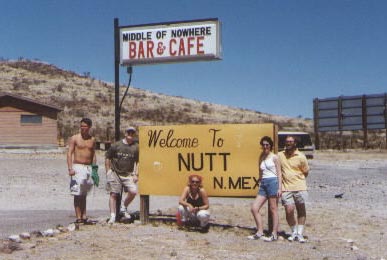
Nutt, NM is in Luna County, 19 miles SW of Hatch. It is mostly a ghost town but a cafe and a few people remain. Nutt was an important railhead for travelers and freight on their way to area mines. It declined when the Atchison, Topeka and Santa Fe Railroad was extended to Lake Valley in 1884. Nutt was named for Col. Nutt, a railroad director.
The nuts in Nutt!
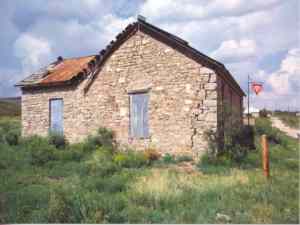
Lake Valley, first called Daly, is named for ancient lake beds nearby. It was founded with the discovery of silver n the area in August 1878 by George Lufkin, who sold out to George Daly. The town moved twice before settling at its present site in 1882 when the Bridal Chamber Mine (in Lufkin's original claim) was discovered by blacksmith John Leavitt. The walls of the subterranean mine were lined with silver so pure it was shipped unsmelted to the mint. The strike produced 2.5 million ounces of silver, including one chunk, featured at the 1882 Denver Exposition, valued at $7,000 (when silver sold for $1.11 an ounce.) The mine manager was killed by Apaches a few days after the discovery. A stage stop and railhead, Lake Valley grew to 4,000, with 12 saloons, three churches, two newspapers, a school, stores, hotels, stamp mills and smelters. The 1893 silver panic wiped it out and a fire destroyed main street in 1895. The post office closed in 1954 and the last residents left in 1994. The Bureau of Land Management watches over the town-site today and has set up a walking tour. The schoolhouse, built in 1904, is open to the public. A chapel and some old homes and railroad buildings still stand.

Audra McHugh Audra McHugh Audra McHugh Audra McHugh Audra McHugh Audra McHugh Audra McHugh Audra McHugh Audra McHugh Audra McHugh Audra McHugh Audra McHugh Audra McHugh Audra McHugh Audra McHugh Audra McHugh Audra McHugh Audra McHugh Audra McHugh Audra McHugh Audra McHugh Audra McHugh Audra McHugh Audra McHugh Audra McHugh Audra McHugh Audra McHugh Audra McHugh Audra McHugh Audra McHugh Audra McHugh Audra McHugh Audra McHugh Audra McHugh Audra McHugh Audra McHugh Audra McHugh Audra McHugh Audra McHugh Audra McHugh Audra McHugh Audra McHugh Audra McHugh Audra McHugh Audra McHugh Audra McHugh Audra McHugh Audra McHugh Audra McHugh Audra McHugh Audra McHugh Audra McHugh Audra McHugh Audra McHugh Audra McHugh Audra McHugh Audra McHugh Audra McHugh Audra McHugh Audra McHugh Audra McHugh Audra McHugh Audra McHugh Audra McHugh Audra McHugh Audra McHugh Audra McHugh Audra McHugh Audra McHugh Audra McHugh Audra McHugh Audra McHugh Audra McHugh Audra McHugh Audra McHugh Audra McHugh Audra McHugh Audra McHugh Audra McHugh Audra McHugh Audra McHugh Audra McHugh Audra McHugh Audra McHugh Audra McHugh